
Gethsemane Song Lyrics in English: A Comprehensive Guide
Finding “Gethsemane” lyrics in English PDF format is often sought by choirs and individuals. Melanie Hoffman’s composition, widely used in church settings,
offers simplified versions readily available online for convenient access and practice.
Numerous websites provide downloadable PDFs, catering to incidental, non-commercial church or home use, ensuring easy access to this powerful hymn’s text.
Historical Context of Gethsemane
Gethsemane’s historical roots are deeply embedded in the landscape east of Jerusalem, on the Mount of Olives’ slope. The name itself, meaning “oil press,” hints at the agricultural purpose of the area for centuries, a testament to its enduring connection to the land. Archaeological evidence and longstanding traditions consistently point to this location as the garden where Jesus frequently retreated with His disciples for prayer, as documented in the Gospel of John (18:2).
This garden wasn’t merely a secluded spot; it was a working olive grove, a source of livelihood for the local community. The presence of ancient olive trees still standing today underscores the garden’s antiquity and continuity. It served as a quiet refuge for Jesus, a place of contemplation before the tumultuous events of His arrest and crucifixion.
The garden’s proximity to the Kidron Valley and Jerusalem held strategic significance, placing it within reach of the city’s religious and political centers. This location also played a crucial role in the events leading up to Jesus’ ascension, as described in the Book of Acts. Understanding this historical backdrop enriches our appreciation of the profound spiritual events that unfolded within its boundaries.

The Garden’s Location and Significance
Gethsemane is situated on the western slope of the Mount of Olives, directly across the Kidron Valley from Jerusalem’s Old City walls. This precise location places it within a historically and religiously charged landscape, easily accessible yet offering a degree of seclusion. The garden’s topography, a gentle slope, contributes to its peaceful atmosphere, conducive to prayer and contemplation. Ancient olive trees still thrive there today, representing a continuous link to the past and confirming the garden’s age-old agricultural use.
Its significance stems from being the site of Jesus’ final, agonizing prayers before His arrest. The garden represents a pivotal moment of surrender to God’s will, a demonstration of profound humility and obedience. It’s not simply a geographical location, but a sacred space where the weight of humanity’s sin rested upon Jesus’ shoulders.
Furthermore, Gethsemane’s location connects it to the narrative of Jesus’ ascension, solidifying its importance in Christian tradition. The garden serves as a tangible reminder of Christ’s humanity and His unwavering commitment to fulfilling the Father’s plan, making it a profoundly meaningful site for pilgrims and believers alike.
Biblical References to Gethsemane
Gethsemane receives direct mention in all four Gospels – Matthew, Mark, Luke, and John – establishing its central role in the Passion narrative. John 18:1 specifically identifies Gethsemane as the place Jesus frequently visited with His disciples for prayer, highlighting its familiarity to them. The Gospels detail Jesus’ intense anguish and prayerful struggle within the garden, facing the prospect of His impending crucifixion.
Matthew 26:36-46, Mark 14:32-42, and Luke 22:39-46 provide parallel accounts of Jesus’ emotional turmoil, His plea to the Father to “let this cup pass,” and His ultimate submission to God’s will. These passages emphasize the human side of Jesus, showcasing His vulnerability and the weight of His sacrifice.
The Book of Acts doesn’t directly reference Gethsemane, but its proximity to the Mount of Olives suggests a connection to the ascension narrative. These biblical accounts collectively portray Gethsemane not merely as a location, but as a sacred space where a pivotal spiritual battle unfolded, solidifying its enduring significance for Christians.
Gethsemane as a Place of Prayer for Jesus
Gethsemane wasn’t simply a garden; it was a sanctuary for Jesus’ profound prayer life. The Gospels consistently depict Him withdrawing to this location with His disciples, seeking solitude and communion with the Father. John 18:2 explicitly states Jesus “often went there with his disciples,” establishing a pattern of regular spiritual retreat.
It was within Gethsemane that Jesus engaged in intense, agonizing prayer before His arrest. The biblical accounts detail His wrestling with the weight of His impending suffering and death, demonstrating a deeply human response to divine purpose. This wasn’t a casual prayer, but a desperate plea, yet ultimately a submission to God’s will.
The garden provided a space for Jesus to model the power of prayer in the face of overwhelming adversity. His example encourages believers to seek God’s guidance and strength during times of personal struggle. Gethsemane, therefore, stands as a testament to the importance of prayer and a powerful illustration of Jesus’ reliance on His Father.
The Night of Jesus’ Arrest in Gethsemane
The night of Jesus’ arrest in Gethsemane marks a pivotal moment in the Gospels, directly following what is commonly known as the Last Supper. It was in this quiet, peaceful garden setting that Judas Iscariot betrayed Jesus, leading to His capture by the authorities. This arrest, however, occurred despite being contrary to both Roman and Jewish law, highlighting the predetermined nature of events.
The Gospels vividly portray the scene: Jesus, deeply troubled, praying in the garden while His disciples struggled to stay awake. Judas arrived with a crowd armed with swords and clubs, identifying Jesus with a kiss – a chilling act of betrayal. The ensuing chaos led to Jesus’ unlawful arrest and the beginning of His trial.
This event underscores the tension between divine will and human agency. While Judas’ betrayal was a free act, it ultimately fulfilled prophecy. Gethsemane, therefore, became the stage for both profound prayer and devastating betrayal, setting in motion the events of the crucifixion.
Judas’ Betrayal and its Location
Judas Iscariot’s betrayal of Jesus unfolded within the tranquil setting of Gethsemane, a garden situated on the slope of the Mount of Olives, directly across the Kidron Valley from Jerusalem. This location, a place of ancient olive trees, provided a stark contrast to the gravity of the impending act. The betrayal occurred immediately after the disciples concluded what is commonly referred to as the Last Supper, intensifying the emotional weight of the event.

The Gospels recount that Judas identified Jesus to the arresting authorities with a kiss – a prearranged signal signifying his treachery. This act, a deliberate violation of trust, facilitated Jesus’ unlawful arrest. The garden’s peaceful ambiance served as a poignant backdrop to this act of deception and betrayal.
The precise location within Gethsemane remains a subject of historical and archaeological interest, though longstanding indicators support its authenticity. The act of betrayal highlights the complexities of human choice and the fulfillment of prophecy, forever linking Judas’ name with this sacred garden.
The Agony of Jesus in Gethsemane
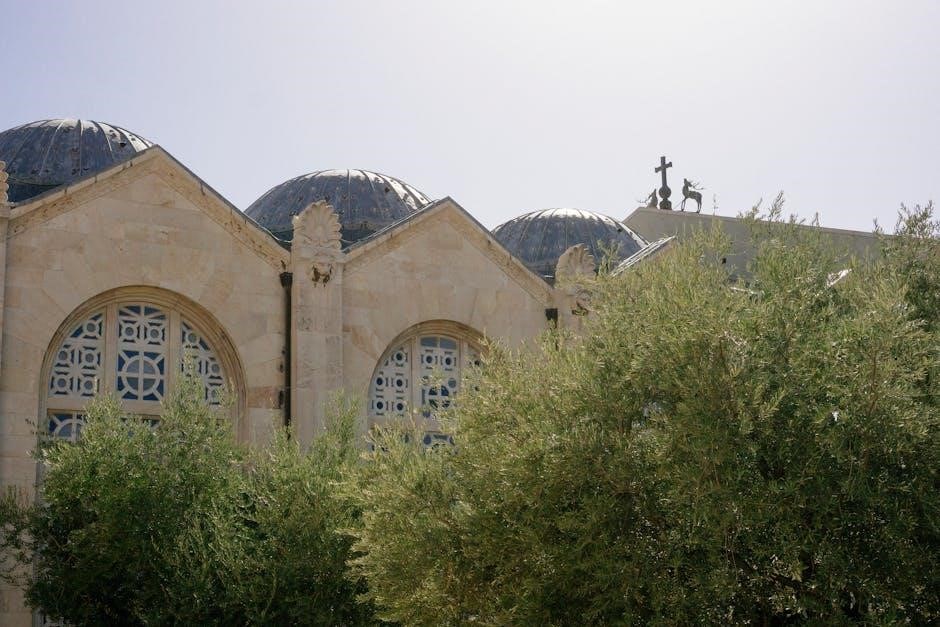
Jesus’ profound emotional and spiritual anguish in Gethsemane is a central theme in the Gospels. He retreated to this garden, a place of frequent prayer with His disciples (John 18:2), to grapple with the immense weight of His impending sacrifice. This wasn’t merely physical suffering, but a deep, agonizing internal struggle as He contemplated the full extent of God’s plan for redemption.
The biblical narrative depicts Jesus in intense prayer, wrestling with the Father’s will. He expressed a desire for the cup of suffering to pass from Him, yet ultimately submitted to divine providence. This moment reveals His complete humanity – experiencing fear, sorrow, and the weight of responsibility – alongside His unwavering obedience.

The garden of Gethsemane, therefore, represents a pivotal turning point. It’s a place where Jesus faced His greatest trial, demonstrating a profound example of faith, submission, and love. Understanding this agony enriches our appreciation of the sacrifice made for humanity’s salvation.
Gethsemane and the Last Supper Connection
The Last Supper and the subsequent events in Gethsemane are inextricably linked, forming a crucial sequence in the Passion narrative. Immediately following the shared meal with His disciples – a symbolic foreshadowing of His sacrifice – Jesus led them to Gethsemane for prayer and contemplation. This transition highlights the direct connection between the institution of the Eucharist and the impending suffering.
Judas’ betrayal occurred shortly after the Last Supper, setting in motion the events that led to Jesus’ arrest in Gethsemane. This proximity underscores the deliberate timing of the betrayal, occurring after a final, intimate communion with His followers. The peaceful setting of the garden starkly contrasts with the tumultuous events about to unfold.
The Last Supper prepared Jesus and His disciples for the emotional and spiritual weight of Gethsemane. It was a moment of profound intimacy before facing ultimate sacrifice. Resources detailing the “Gethsemane” song lyrics in English PDF often acknowledge this historical context, enriching the song’s meaning.
Theological Importance of Gethsemane
Gethsemane represents a pivotal moment in Christian theology, showcasing Jesus’ complete obedience and submission to the Father’s will, even in the face of immense suffering. His agonizing prayer – “not my will, but yours be done” – embodies the core of redemptive sacrifice and divine love. This scene isn’t merely a historical event; it’s a profound demonstration of faith.
The garden symbolizes the human struggle with temptation and the power of prayer to overcome it. Jesus’ willingness to accept His fate highlights the depth of His commitment to humanity’s salvation. Understanding this theological weight enhances the impact of songs like “Gethsemane,” whose lyrics in English PDF format often emphasize this surrender.
Gethsemane foreshadows the ultimate sacrifice on the cross, demonstrating the cost of redemption. It’s a place of profound spiritual significance, illustrating the tension between human frailty and divine purpose. The song’s availability in PDF allows for deeper study of its theological underpinnings.
Gethsemane: Submission to the Father’s Will
The essence of Gethsemane lies in Jesus’ ultimate act of submission to God’s plan, a theme powerfully reflected in the lyrics of hymns like Melanie Hoffman’s “Gethsemane.” His prayer, wrestling with the anguish of the cross, isn’t a rejection of faith, but a profound expression of human vulnerability coupled with unwavering trust. This acceptance, despite immense suffering, is central to Christian belief.
The garden embodies the struggle between personal desire and divine purpose. Jesus’ willingness to drink the cup of suffering demonstrates a level of obedience rarely seen. Accessing the song’s lyrics in English PDF format allows for focused meditation on this theme of surrender and devotion.
This act of submission isn’t passive; it’s a conscious choice made in the face of overwhelming dread. It’s a model for believers, encouraging them to seek God’s will even when it’s difficult. The song, readily available as a PDF, serves as a reminder of this profound lesson.
“Gethsemane” Hymn: Origins and Authorship
The beloved hymn “Gethsemane” is a relatively recent composition, penned by Melanie Hoffman. While traditional hymns often boast centuries of history, Hoffman’s work emerged as a poignant expression of faith in the modern era. Its popularity stems from its accessible melody and deeply moving lyrics, capturing the emotional weight of Jesus’ experience in the Garden.
Information regarding the precise date of composition is less readily available than the lyrics themselves, which are widely distributed in English PDF format. However, the hymn quickly gained traction within church communities, becoming a staple in worship services and devotional practices.

Hoffman’s authorship is consistently acknowledged in published sheet music and lyric compilations. Obtaining the lyrics as a PDF facilitates personal study and performance, allowing individuals and choirs to connect with the hymn’s message. The song’s copyright allows for incidental, non-commercial use, further contributing to its widespread accessibility.
Melanie Hoffman and the Composition of the Song
Melanie Hoffman, the composer of “Gethsemane,” created a hymn that resonates deeply with Christian audiences. While biographical details about Hoffman are somewhat limited in readily available sources, her musical contribution speaks volumes. The song’s power lies in its ability to convey the profound emotional and spiritual turmoil experienced by Jesus in the Garden of Gethsemane;
The composition skillfully blends lyrical depth with a memorable melody, making it accessible for both individual reflection and congregational worship. Finding “Gethsemane” lyrics in English PDF format allows musicians and worshippers alike to engage intimately with Hoffman’s work.
The hymn’s structure and harmonic choices contribute to its overall impact, building a sense of tension and release that mirrors the narrative of Jesus’ prayerful struggle. The availability of simplified arrangements, often found in PDF versions, ensures the song remains inclusive and approachable for various skill levels. Hoffman’s legacy is secured through this enduring piece of sacred music.

Analyzing the Lyrics of “Gethsemane”
A close examination of the “Gethsemane” lyrics reveals a poignant portrayal of Jesus’ internal conflict as He anticipates His crucifixion. The song masterfully captures the weight of His impending sacrifice and His unwavering submission to the Father’s will. Key phrases emphasize the agony of choice – the desire for reprieve versus the acceptance of divine purpose.
The lyrics, readily available in English PDF format, invite contemplation on themes of obedience, suffering, and the profound love demonstrated through self-sacrifice. The song’s structure mirrors the emotional arc of the biblical narrative, building from a plea for alternative paths to a resolute acceptance of God’s plan.
Analyzing the poetic devices employed – imagery of the garden, the weight of sorrow – enhances understanding of the song’s emotional depth. Accessing the lyrics in PDF allows for detailed study and personal reflection, fostering a deeper connection with the hymn’s message and Melanie Hoffman’s artistry.
Availability of “Gethsemane” Lyrics in English PDF Format
Locating “Gethsemane” lyrics in English PDF format is remarkably straightforward, thanks to the song’s widespread use within religious communities. Numerous websites dedicated to church music and hymn resources offer free, downloadable PDFs of both standard and simplified arrangements.
These PDFs often include the sheet music alongside the lyrics, catering to both vocalists and instrumentalists. Websites like PrimarySinging and various church music distributors provide accessible versions, explicitly stating permission for incidental, non-commercial use within church or home settings.

A quick online search using keywords like “Gethsemane lyrics PDF Melanie Hoffman” yields a plethora of results. Many denominations also host the lyrics on their official websites, ensuring easy access for congregational singing. The prevalence of these readily available PDFs underscores the song’s enduring popularity and its importance in contemporary worship.
Resources for Finding the Sheet Music
Finding sheet music for “Gethsemane”, alongside the lyrics in PDF format, is easily achievable through several online resources. Musicnotes.com and Sheet Music Plus are prominent platforms offering both digital downloads and printed copies of Melanie Hoffman’s composition.
Many church music publishers, such as Lorenz Publishing Company, also carry the sheet music in various arrangements – including piano, vocal, and instrumental versions. Websites dedicated to hymns, like Hymnary.org, often provide links to purchase the sheet music from authorized retailers.
Furthermore, some websites offering free lyric PDFs also include simplified sheet music arrangements suitable for beginner musicians. Checking denominational websites and online church music forums can uncover additional resources and user-submitted transcriptions. Remember to respect copyright regulations when downloading or distributing sheet music, ensuring compliance with licensing agreements for church or personal use.
Church Use and Copyright Information
Regarding church use of “Gethsemane” lyrics and sheet music, it’s crucial to understand the copyright stipulations. Melanie Hoffman retains the copyright to the song, but generally permits copying for incidental, non-commercial church or home use. This means congregations can reproduce lyrics for bulletins or projection during worship services without seeking direct permission.
However, large-scale distribution, commercial performances, or arrangements require licensing through copyright clearinghouses like CCLI (Christian Copyright Licensing International) or OneLicense. These organizations provide blanket licenses covering a vast repertoire of Christian music, simplifying copyright compliance for churches.
Downloading a PDF of the lyrics for personal or small group study is typically permissible. Always verify the specific terms of use associated with any downloaded PDF, as some sources may have additional restrictions. Respecting copyright ensures continued support for the composer and encourages the creation of new worship music.
Gethsemane as a Symbol of Personal Sacrifice
The Garden of Gethsemane, and by extension, Melanie Hoffman’s poignant song, powerfully symbolizes personal sacrifice and surrender to a higher will. Jesus’s agonizing prayer – “not my will, but yours be done” – resonates deeply with individuals facing difficult choices and personal trials.

The lyrics, readily available in English PDF format for study and reflection, invite listeners to contemplate their own “Gethsemane moments” – times of profound struggle where aligning with divine purpose demands immense courage and self-denial. The song isn’t merely a recounting of a historical event, but a mirror reflecting the universal human experience of wrestling with faith and obedience.

Accessing the lyrics through downloadable PDFs allows for intimate engagement with the song’s message, fostering a deeper understanding of the cost of discipleship. It encourages believers to embrace sacrifice not as defeat, but as a pathway to spiritual growth and a closer relationship with God.